
ARTICLE 1
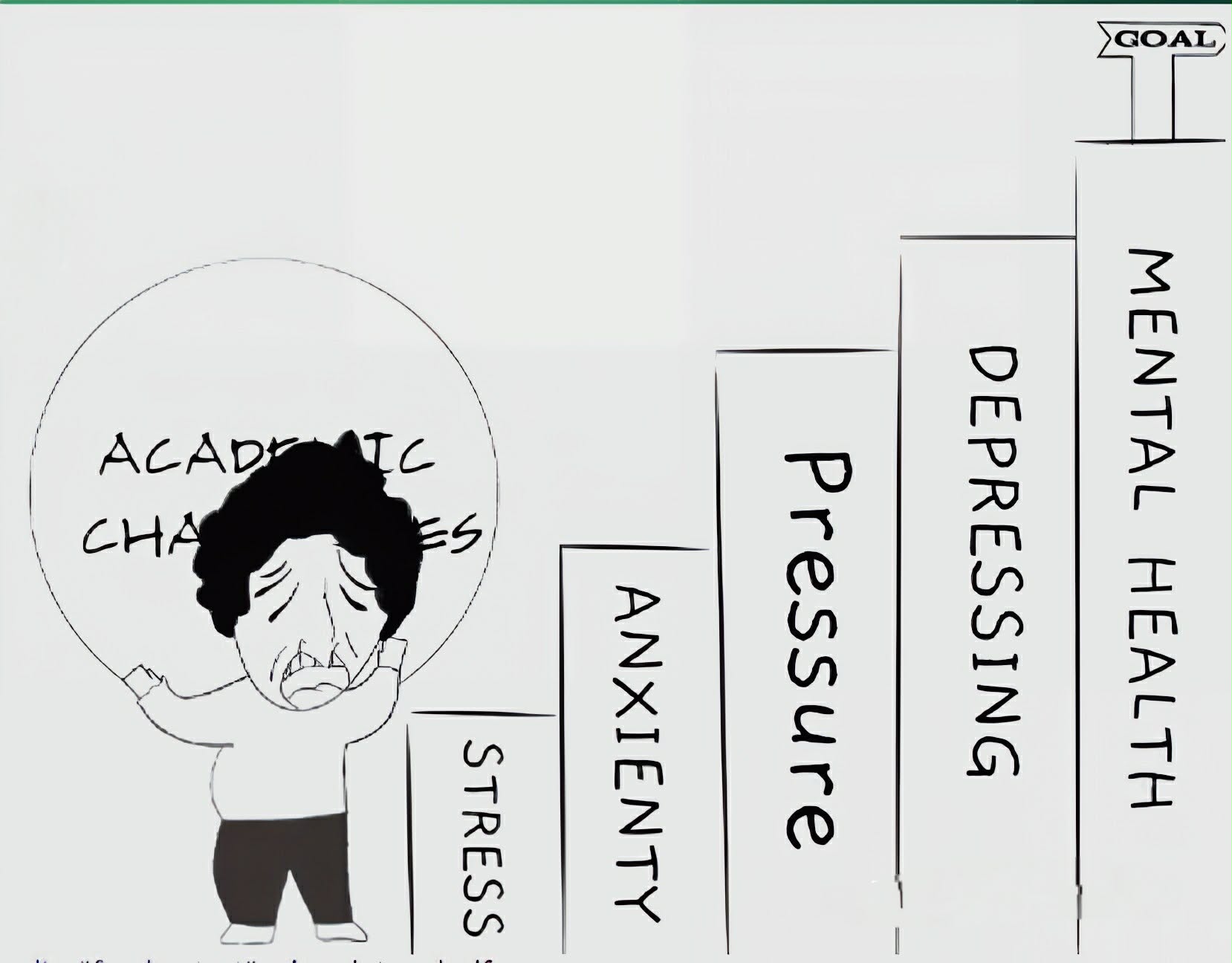
The SSLG badge is a heavy weight rather than a mere symbol of power. Officers face a severe struggle after winning, acting as mini-administrations who must balance difficult lessons with the behavior of others. Because the reality is more powerful than the title, we must stop viewing leadership as a solo act and start treating it as a shared responsibility.
PIO Geo Umpad admits his “main fear is the unsuccess of our event” because of the pressure from loud voices demanding constant perfection. We must shift from being critics to being supporters to prevent our leaders from reaching a point of total exhaustion.
Success is impossible without teamwork, as plans often fail when there is no cooperation from the student body. Officers fear failure because they cannot carry every task alone, when students refuse to participate, they ruin their own school activities.
It is unfair to dump the main priorities of the school year onto a few teenagers. Expecting a small group to enforce rules while others ignore them creates a pressure that can hurt a leader’s mental health.
Leaders are not superheroes— they are ordinary people who get tired and have school works just like everyone else. We must recognize their humanity to ensure they aren’t crushed by their responsibilities.
This struggle starts early, as some of us experienced when we were in elementary school. It was not easy to lead at a young age, often going home at 6pm while trying to balance our studies.
Ultimately, the heavy crown only feels lighter when the whole school helps lift it. A lack of teamwork turns leadership into a silent struggle, but when we take responsibility for our own actions, the officers can reach their main goal. When we work together, leadership ceases to be a burden and becomes a collective success.
A Messy Priority
ARTICLE 2
The school’s trash problem has trapped the SSLG in a management trap. While the government’s goal is to lead and improve the school, officers are stuck enforcing basic cleanliness instead of planning student events. By failing to pick up after ourselves, we force our leaders to act as custodians rather than visionaries, stalling the school’s progress.
Because “trash is one of our top priorities to solve this school year,” as Geo Umpad (SSLG P.I.O.) stated. Instead of discussing sports fests or clubs, leaders are stuck debating bin usage. This focus on our mess wastes their great ideas and prevents the implementation of the exciting programs the student body actually wants.
This issue highlights a lack of discipline and personal responsibility among the students. The SSLG’s mission is to help us learn and succeed, but their efforts are hindered when they must constantly remind us of simple rules. True discipline is doing the right thing without supervision; without it, we make the SSLG’s broader mission impossible to achieve.
Ultimately, a clean campus is a shared student responsibility, not just a leader’s problem. The SSLG wants a school we can be proud of, but they cannot achieve a better environment alone. By following trash rules, we show respect for our second home and free our leaders to focus on the success of the entire student body.
Smart Choices, Safe Campus
ARTICLE 3
Drugs and marijuana are a safety reality that the SSLG has made a main priority this year. While the student leaders aim to keep the campus safe, they cannot succeed if the student body stays silent. To create a school where we can truly learn, we must transition from passive observers to active participants in keeping our environment drug-free.
Managing drug issues is a heavy weight because student leaders are peers, not police officers. As SSLG officer Geo Umpad stated, they handle these issues by “disciplining and making them learn from their mistakes” rather than just punishing them. When we ignore awareness programs, we leave our leaders to carry the immense stress of our collective safety alone.
Staying drug-free is the ultimate test of discipline, which is the foundation of the SSLG’s mission for student success. Discipline goes beyond dress codes; it is the power to make right choices when faced with danger. By leading ourselves and resisting peer pressure, we allow the SSLG to focus on our personal growth instead of constant crisis management.
Ultimately, drug problems jeopardize our ability to focus on difficult lessons and reach our dreams. The SSLG’s goal is a safe environment, but a campus that feels unsafe ruins the chance for any student to be successful. By reporting bad behavior and staying away from drugs, we aren’t just obeying rules—we are actively protecting our own futures.
Leave a Reply